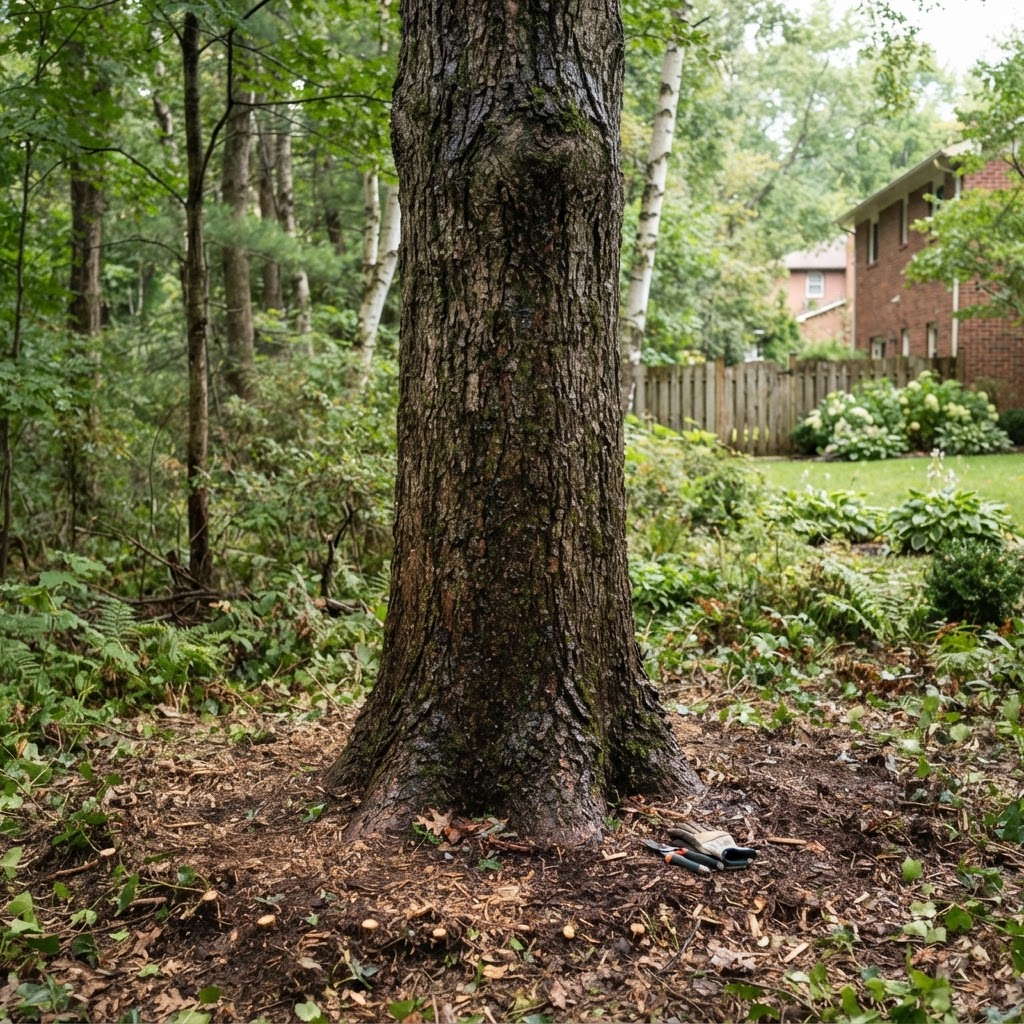
Invasive Plant, Vine and Overgrowth Removal in Northern Virginia
Manual removal of invasive plants, vines, brush and unwanted saplings — reclaim beds, fences and overgrown yard areas.
Some yard problems require more than mowing or ordinary weeding. Mugwort spreads through planting beds, wisteria and English ivy climb trees and fences, thorny vines block access, and unwanted saplings establish themselves around foundations and property lines. Justin's Yard & Garden helps Northern Virginia homeowners reclaim these areas through careful, hands-on landscape work. Depending on the property and approved scope, work may include cutting, digging, hand pulling, root and crown removal where practical, pruning, controlled string trimming, debris collection, hauling, bed cleanup, edging, mulching and replacement planting.
What's Included
- Invasive vine cutting & removal
- Brush & briar clearing
- Unwanted sapling removal
- Fence-line clearing
- Debris collection & haul-away
- Bed cleanup & edging
- Mulch or replacement planting (optional)
- Follow-up monitoring visits
Why You Might Need Invasive Plant, Vine & Overgrowth Removal
Common situations we see across Northern Virginia yards.
Invasive plants and vines are spreading through your beds, fences or trees and ordinary weeding isn't keeping up.
Thorny brush or briars have made part of your yard unusable and you can't safely reach it yourself.
Unwanted saplings are establishing themselves along your fence, foundation or property edges.
How JYG Approaches Invasive Plant, Vine & Overgrowth Removal
Some yard problems require more than mowing or ordinary weeding. Mugwort spreads through planting beds, wisteria and English ivy climb trees and fences, thorny vines block access, and unwanted saplings establish themselves around foundations and property lines. Justin's Yard & Garden helps Northern Virginia homeowners reclaim these areas through careful, hands-on landscape work. Depending on the property and approved scope, work may include cutting, digging, hand pulling, root and crown removal where practical, pruning, controlled string trimming, debris collection, hauling, bed cleanup, edging, mulching and replacement planting. Because established invasive plants can regenerate from roots, runners, seeds or missed fragments, no responsible company should promise that every infestation will be permanently eliminated in one visit. JYG explains what can reasonably be accomplished during the initial visit and when monitoring or follow-up removal may be beneficial.
Problems We Help With
JYG provides dedicated pages for each of these common Northern Virginia invasive-plant and overgrowth problems. Each page explains what the plant looks like, how JYG approaches removal, and what results to realistically expect.
Poison Ivy Removal
Safe, careful removal of poison ivy, poison oak and poison sumac from your yard — including the roots.
Learn MoreMugwort Removal
Manual mugwort cutting, digging, debris removal and follow-up cleanup for persistent infestations.
Learn MoreWisteria Removal
Controlled cutting, manual removal, debris hauling and follow-up landscape cleanup for overgrown wisteria.
Learn MoreEnglish Ivy Removal
Manual ivy cutting, pulling, debris removal and landscape-bed cleanup from trees, fences and beds.
Learn MoreGeneral Vine Removal
Invasive vine cutting, disentangling and clearing from trees, fences, shrubs and overgrown areas.
Learn MoreResidential Fence-Line Clearing
Clear vines, weeds, brush and small saplings from residential fence lines and property edges.
Learn MoreVolunteer Tree & Sapling Removal
Remove unwanted saplings and small volunteer trees from beds, fences, foundations and tight yard areas.
Learn MoreThorny Brush, Greenbrier & Bramble Removal
Clear greenbrier, thorny vines, brambles and tangled overgrowth from fences, beds and property edges.
Learn MoreWhere This Growth Appears
Invasive plants and overgrowth turn up in the same predictable spots across Northern Virginia yards:
- Along wood, vinyl and chain-link fences
- Around sheds, decks and play areas
- In neglected garden beds
- Under shrubs and hedges
- Around tree trunks and wooded property edges
- Beside foundations and air-conditioning equipment
- Behind townhomes and in small-access yards
- Along gates, walkways and property boundaries
- In areas left unmanaged by previous owners or tenants
What Manual Removal Does and Does Not Mean
Manual removal is useful when homeowners want immediate access, visible improvement and reduced invasive growth without treating the entire property as a major land-clearing operation. Results depend on the species, maturity, soil, root structure, surrounding plants and total area involved. Cutting visible growth is not always the same as removing an established root system. JYG defines the approved scope before work begins and does not promise permanent eradication from a single visit.
- No mature-tree removal, climbing or crane work
- No work around energized utility lines
- No stump excavation or forestry mulching
- No herbicide, pesticide or chemical treatment applications
- No guarantee that mugwort, ivy, wisteria, greenbrier or other persistent growth will never return
Optional Next Steps After Removal
After invasive growth is cleared, JYG may be able to help restore the area so it stays cleaner and looks intentional rather than simply empty. Depending on the property and approved scope, follow-up work may include:
- Re-establish a bed edge
- Apply mulch to suppress regrowth
- Install suitable replacement plants
- Prune retained shrubs
- Remove remaining landscape debris
- Schedule a follow-up inspection or manual removal visit
Property Clean Ups
Full yard resets — debris, leaves, branches and overgrowth hauled away.
Learn MoreBed Weeding
Hand-pulling and root removal to keep beds clean between visits.
Learn MoreMulch Installation
Fresh mulch to suppress regrowth and restore a finished look to cleared beds.
Learn MorePlant Design & Installation
Replace invasive ground cover with suitable, well-chosen plants.
Learn MorePlant, Shrub & Small Tree Removal
Remove larger unwanted shrubs or small trees that invasive growth was hiding.
Learn MoreShrub Pruning
Shape and restore shrubs that were smothered or distorted by vines and overgrowth.
Learn MoreWhat to Expect
Identify the affected area and the plants that should remain.
Confirm access, approximate boundaries and removal priorities.
Cut back dense top growth in controlled sections.
Pull, dig or remove roots, runners and crowns where practical and included.
Separate invasive growth from retained plants.
Collect and remove approved debris.
Reset the area with edging, mulch or planting when selected.
Recommend monitoring or a follow-up visit when regrowth is likely.
Northern Virginia Considerations
Justin's Yard & Garden is a family-owned business based in Nokesville, serving homeowners across Northern Virginia. Invasive plants thrive in our wooded suburban lots, disturbed soil and humid climate. English ivy, mugwort, wisteria, Oriental bittersweet, Japanese honeysuckle, multiflora rose and greenbrier are among the most common problems we encounter — and most require repeat management rather than a single removal.
Invasive Plant, Vine & Overgrowth Removal FAQ
Common questions about invasive plant, vine & overgrowth removal in Northern Virginia.
Related Services
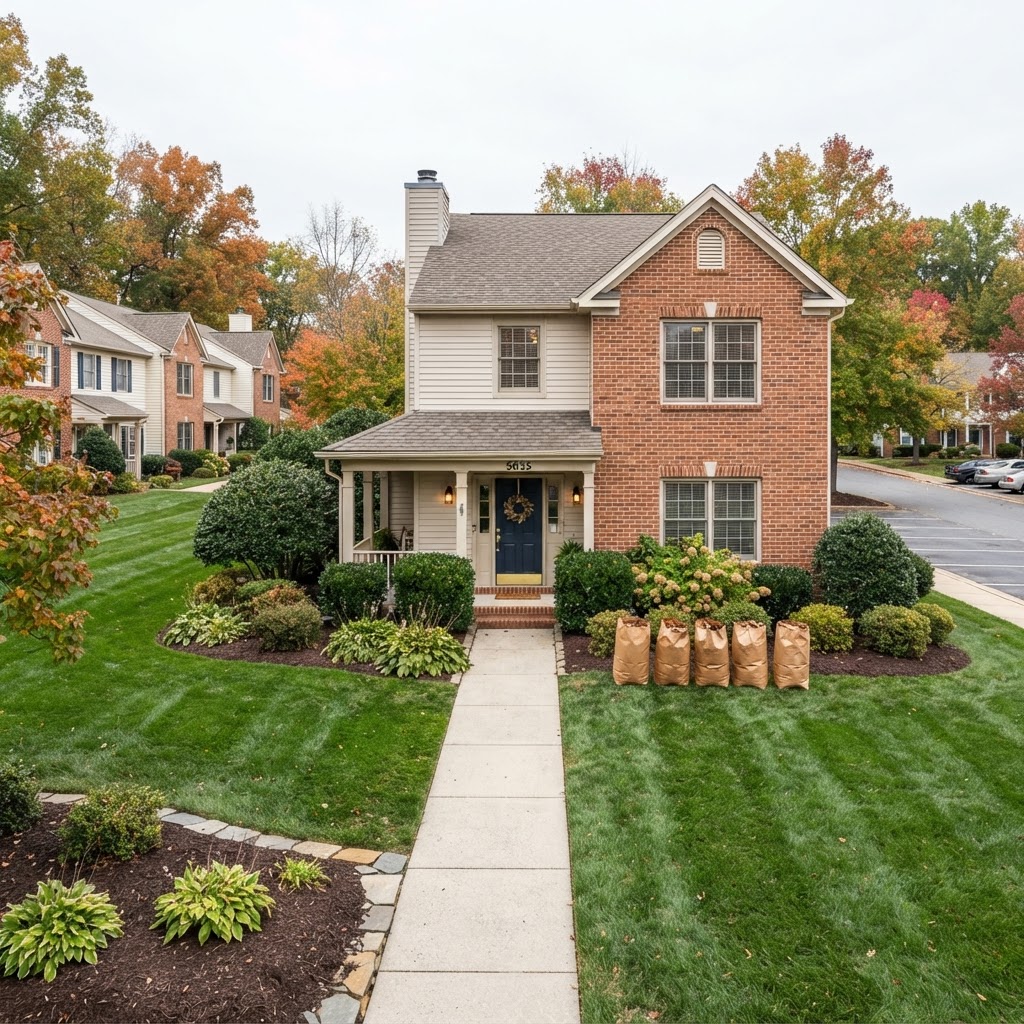
Property Clean Ups
Full yard resets—debris, leaves, branches, and overgrowth hauled away.
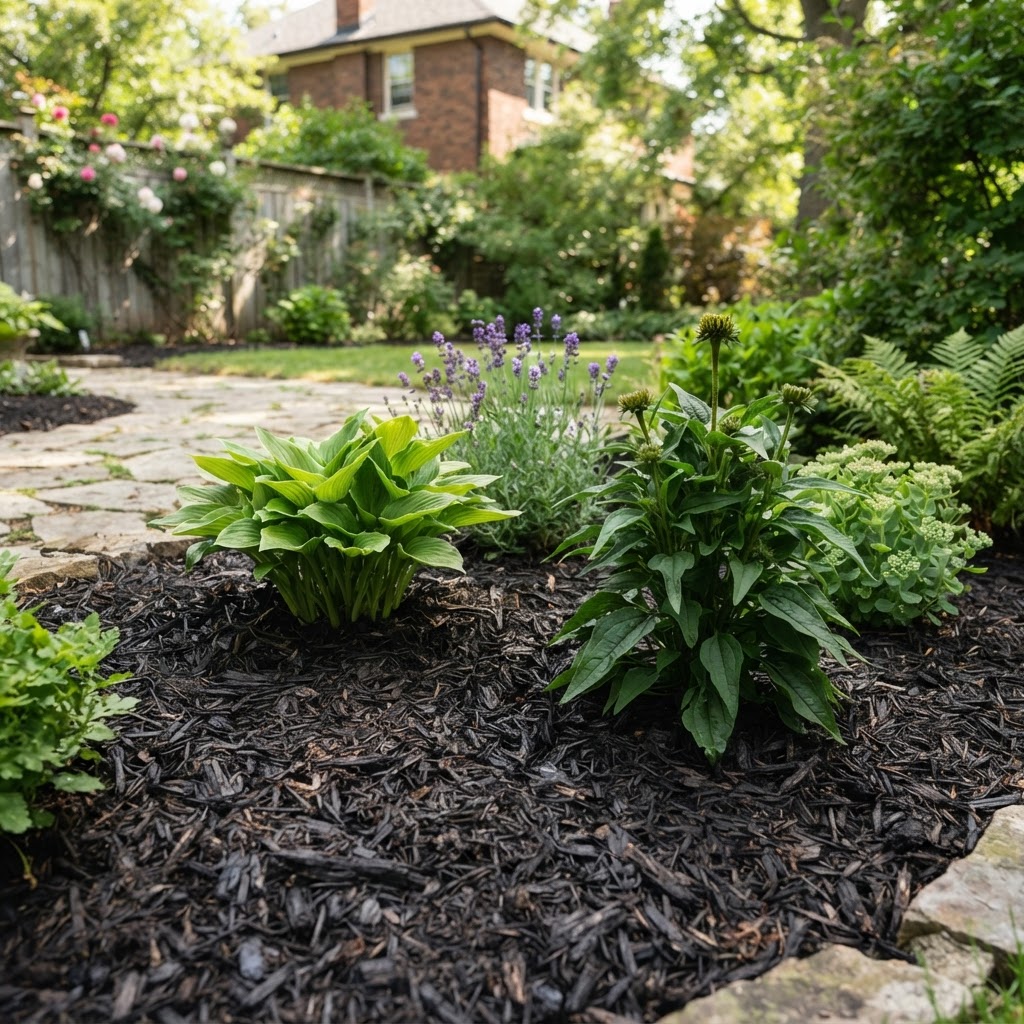
Bed Weeding
Keep beds clean and healthy with regular, thorough weeding.
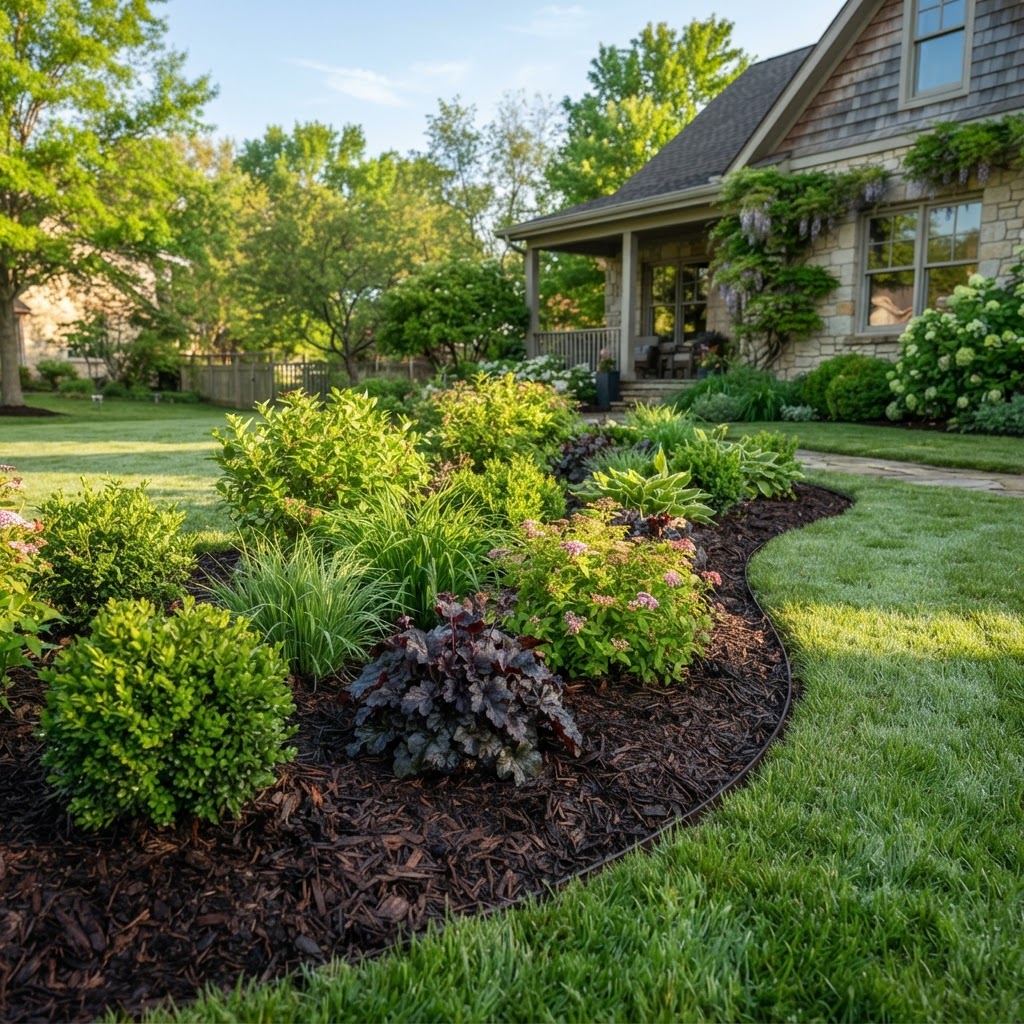
Mulch Installation
Fresh mulch for cleaner beds, fewer weeds, and instant curb appeal.
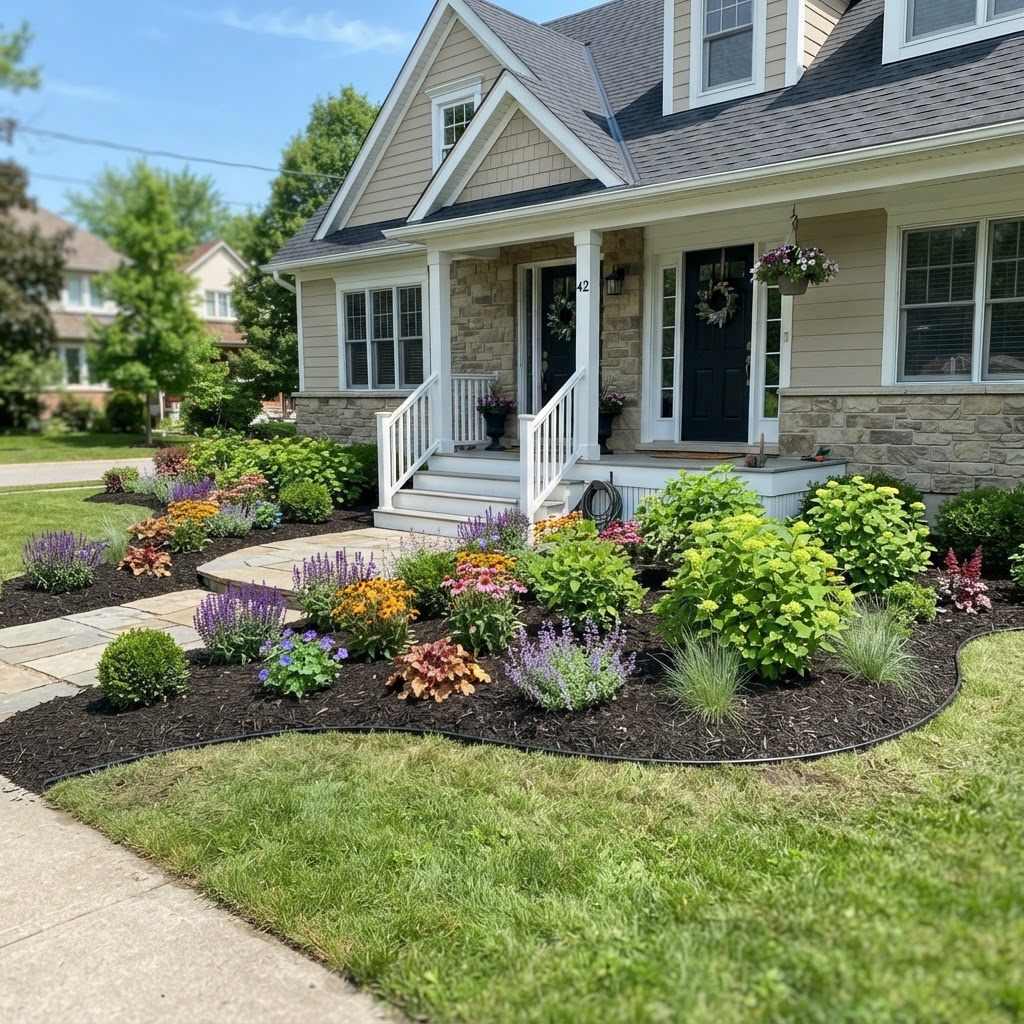
Plant Design & Installation
Thoughtful plant choices and professional installation for year-round color.
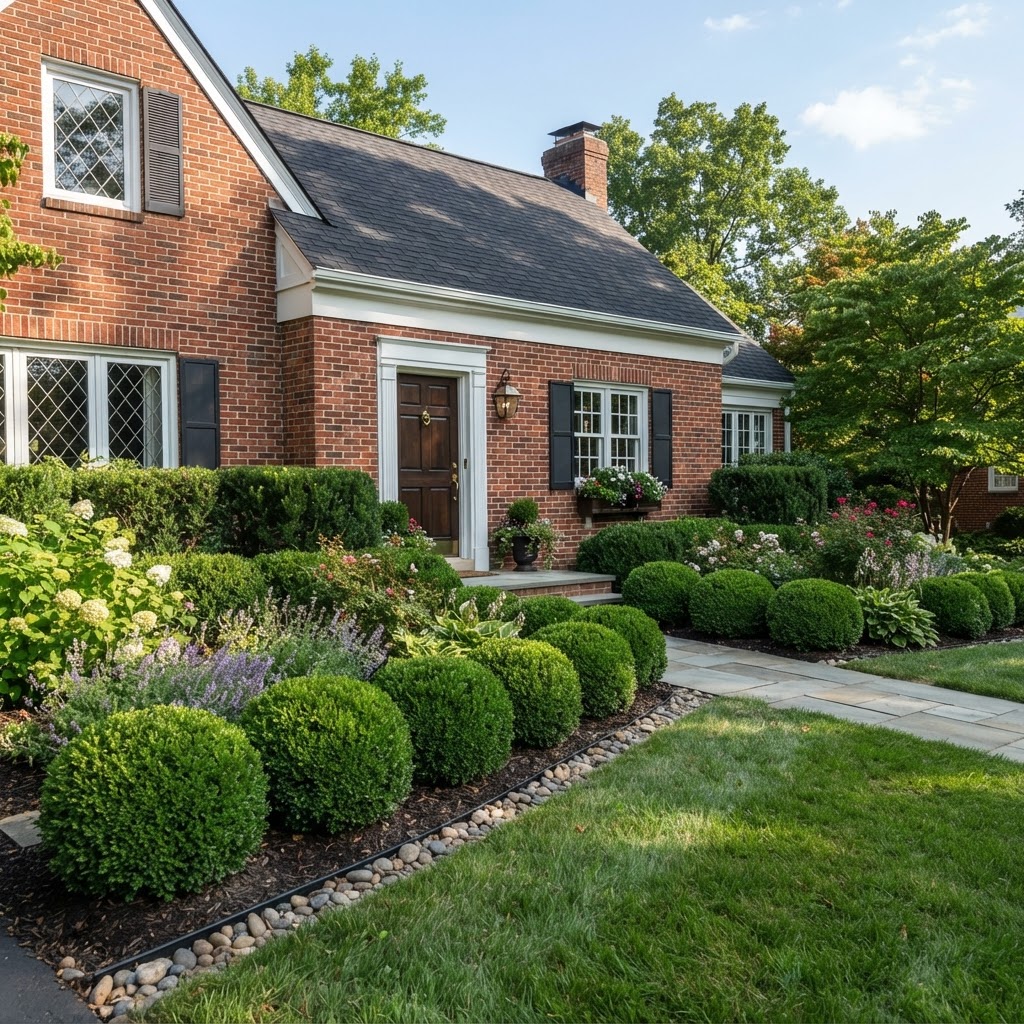
Shrub Pruning
Neatly shaped shrubs that frame your home beautifully.
Areas We Provide Invasive Plant, Vine & Overgrowth Removal
We offer invasive plant, vine & overgrowth removal across Northern Virginia. Find your city: